We exist because hotels were leaving money on the table.
MMR Hotels manages pricing, distribution, and direct bookings for 843+ properties across India. Started in 2018. Bootstrapped. Built on results.
0+
Hotels Managed
0+
Cities Covered
0
Indian States
0Cr+
Revenue Optimised
0
Years, Zero Funding
How it started
How it started
Started in Bhopal in 2018. Two hotels. No investors. No plan B.
Eight years later, ₹452+ crore in optimized revenue. 843+ properties. 22 states. Two countries. Still no outside capital.
Six segments: government tourism, heritage and wildlife, leisure resorts, emerging chains, independent hotels, and Bhutan through the Chamber of Commerce there. Each one required a different approach.
Still bootstrapped.
Leadership
The people behind the work
Three founders, three areas of focus, one operating principle: implementation over advisory.
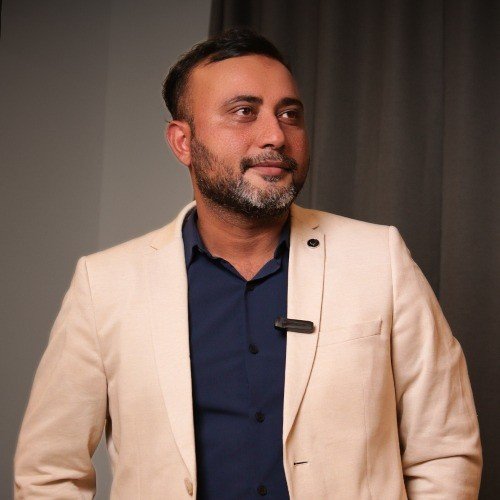
Rohit Tiwari
Founder & Managing Director15 Years + yrs
Sets the commercial philosophy that runs through everything MMR does.
Rohit started his career on the OTA side, which turned out to be a better education than most MBA programs in how hotels actually lose money. He spent years inside MakeMyTrip and Goibibo, watching properties with good occupancy consistently underperform on rate, and properties with strong product get buried in search results because nobody had time to manage their listing properly.
He also worked at Stayzilla as Area Revenue Manager for western India, and later with early-stage hospitality startups including Ease My Stay and Zuzu Hospitality, both in regional manager roles. The startup stints were instructive in a specific way: they forced a faster feedback loop. Things that didn't work became obvious quickly.
MMR came out of that accumulated frustration more than any single insight. The tools for proper revenue management existed. The knowledge existed. What didn't exist was an accessible, affordable version of it built specifically for independent Indian hotels.
He holds a BE in Computer Science and an MBA in Marketing with a tourism specialization. He's also worked with MP Tourism Board, which is how the government tourism engagement started.
“
India has extraordinary hospitality demand. The challenge has always been capturing that demand efficiently. - Rohit Tiwari, Founder & Managing Director
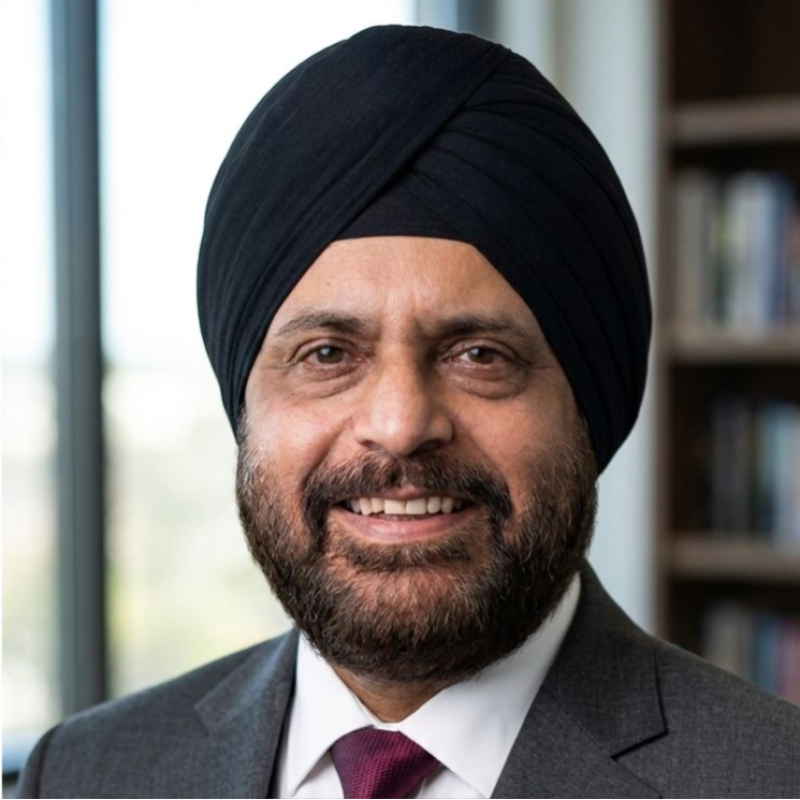
Amandeep Singh Duggal
Co-Founder & Vice President22 + Years yrs
Brings 22 years of hotel operations to the commercial side of MMR.
Amandeep's background is almost entirely on the hotel side rather than the tech or OTA side, which makes him an unusual co-founder for a revenue management company and, in practice, the reason MMR's approach doesn't feel like it was designed by someone who's never actually run a front desk.
He started in hotel management in Hyderabad, moved into the Clarks group, and spent around fifteen years inside ITC Hotels across different roles. After that, four years with Atishay Group in Bhopal. The kind of career where you've seen most of what can go wrong in hotel operations and have strong opinions about why.
His role at MMR sits at the intersection of client relationships and operational quality. The deep network across hotel chains across India, built over two decades, is part of how MMR established credibility early on with properties that had never outsourced their revenue function before.
He graduated from a hotel management program in Hyderabad. His expertise, honestly, is less about any one specialization and more about the breadth that comes from spending twenty-plus years in a sector without ever really leaving it.
“
Revenue management only works when it's grounded in how hotels actually operate. The numbers have to make sense on the floor, not just in the dashboard. - Amandeep Singh Duggal, Co-Founder & Vice President
Shubham Pandey
Chief Business Officer10+ Years yrs
Where strategy becomes delivery: the operational force behind MMR's growth.
Shubham joined MMR in 2018 when the company was still finding its shape. He's been CBO since then, which in practice means he's responsible for the part of the business where good strategy either holds together or falls apart: partnerships, team structure, client acquisition, and the systems that make 843+ hotels manageable by a single company without everything catching fire.
The MP Tourism engagement is probably the most visible thing he's led. Sixty-plus government properties, a post-COVID recovery mandate, and the specific difficulty of working inside procurement timelines that don't respond to the same urgency as a private client. Ninety-five percent revenue recovery in twelve months. It required a different operating model than the standard client setup, and building that model while running it was its own kind of education.
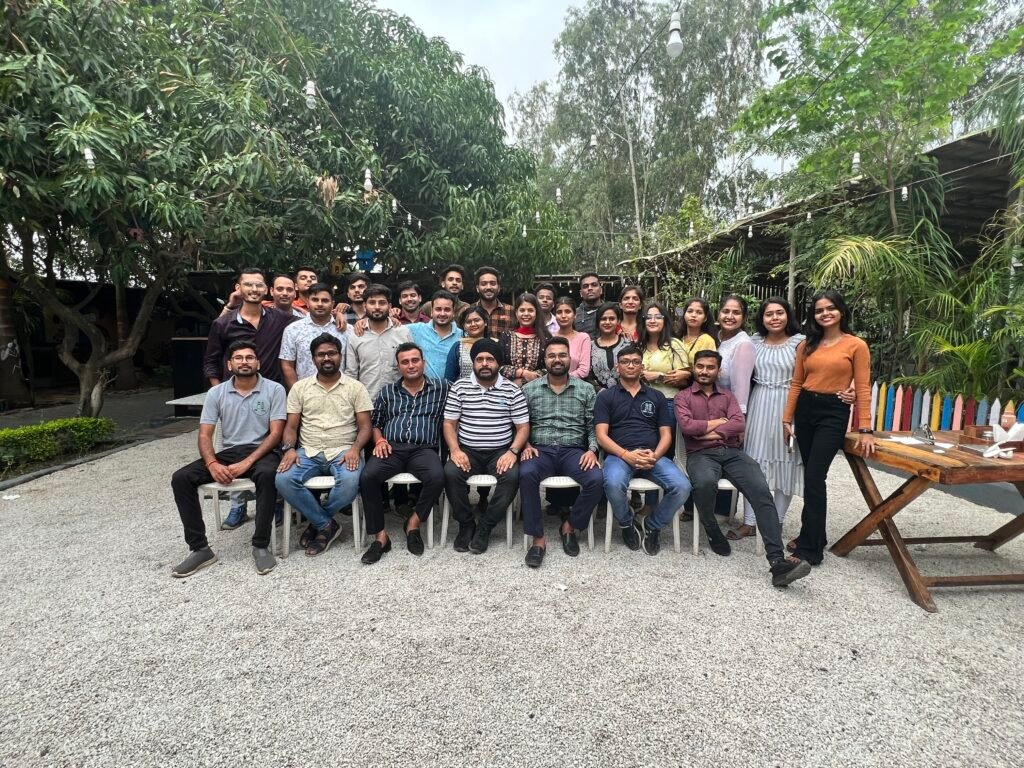
He's also the person who built most of MMR's current team structure. Fifty-plus people across five departments. The kind of scaling that's hard to do cleanly when you're bootstrapped and everything is happening faster than your processes can formalize. Some things worked the first time. A lot didn't.
His perspective on independent hotels is fairly direct: they're underserved, they know it, and most of the solutions that exist for them were built for someone else and modified badly. That view shapes most of how MMR approaches new client relationships.
“
Long-term revenue consistency matters more than a strong month. Anyone can optimize for a peak. The harder problem is building a base that holds. - Shubham Pandey, Chief Business Officer
How we work
Three things that haven't changed since the start
We start by auditing your data, not your goals.
Most agencies open with a strategy deck. We open by asking for twelve months of PMS exports and OTA extranet access, because the goals a hotel owner tells us on a call rarely match what the numbers are actually doing. Had a property in Indore last year insist their weekday corporate segment was healthy. Turned out 40 percent of those bookings were coming in at rates set two years earlier and never touched since. The audit finds that stuff before we promise anything.
Then we tell you where your money's actually leaking.
Segmentation sounds technical, but for a prospective client it just means: which of your channels are quietly costing you margin. A lot of independent hotels are 65, 70 percent dependent on a single OTA without realizing it. That's fine until the OTA changes its ranking algorithm and occupancy drops for no visible reason. We flag that dependency early, because it's usually the single biggest number on the table.
Pricing gets adjusted daily, not seasonally.
This is where most in-house teams fall behind, not from lack of effort, just bandwidth. Someone's running the front desk and also supposed to be checking comp set rates three times a day during a festival week. It doesn't happen. We build the pricing cadence around actual demand movement, which for a 30 room property in Udaipur during wedding season can mean rate changes twice in one afternoon.
Distribution stays in sync, which is the part nobody notices until it breaks.
Rate parity issues are boring to explain and expensive to ignore. One OTA lagging a day behind the direct site is enough to trigger a parity flag and tank your ranking. We manage this across every channel simultaneously, so a client isn't finding out about a mismatch from a guest complaint.
You get reports that mean something, not dashboards nobody opens.
RevPAR and ADR against your own baseline, against your actual comp set, not some generic industry number that means nothing for a heritage property with 18 rooms. Honestly, a lot of the reporting hotels get from other vendors is decorative. Ours exists so an owner can look at a Tuesday afternoon and know exactly why occupancy moved.
And then it starts again, sharper.
This is probably the part that's hardest to sell in a pitch, because it sounds less like a deliverable and more like an ongoing relationship. Which it is. The loop closing back into fresh audit data is the actual product. Properties that treat revenue management as a one-time fix are usually back to flat numbers within two quarters.
Free revenue audit
Want to see what this looks like for your property?
We'll review your rates, OTA performance, and comp set in 48 hours. No charge, no sales call first.