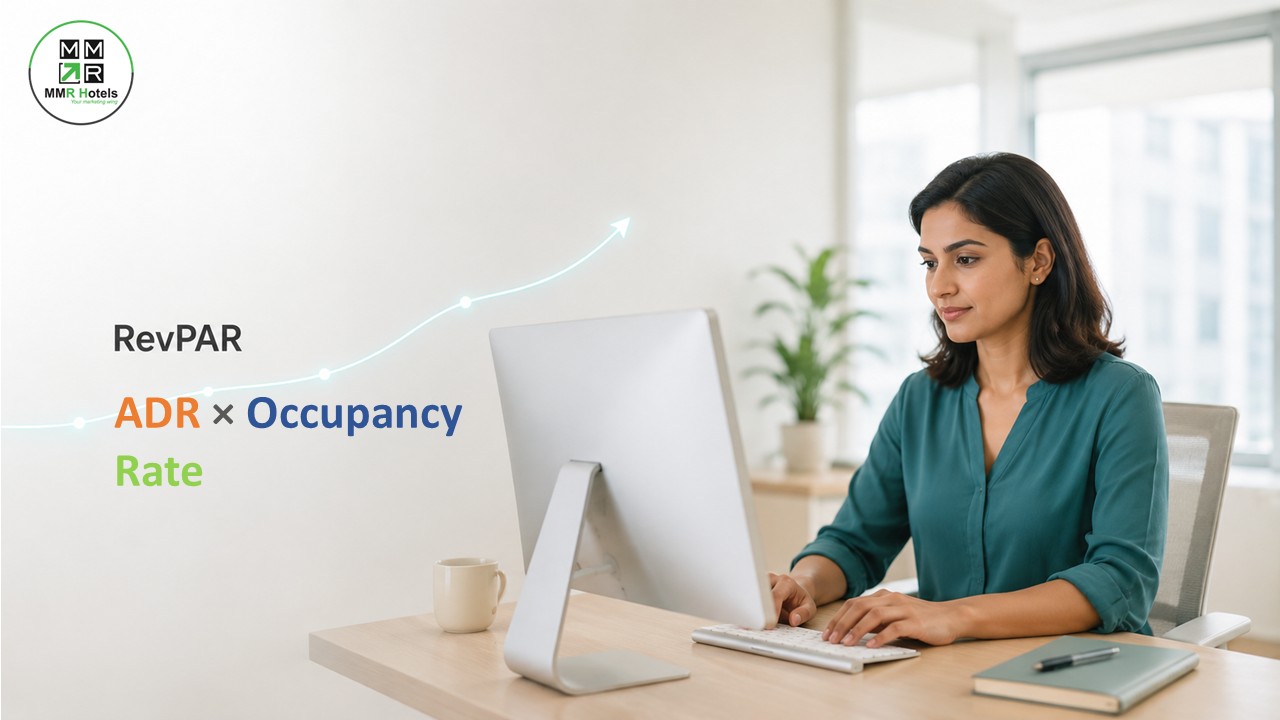
RevPAR is occupancy times ADR, which means there are only two levers, and everything a revenue management company does is one of them wearing different clothes. The honest version of this article is a list of unglamorous daily habits. That is what compounds.
RevPAR = Total Room Revenue / Total Available RoomsOr occupancy multiplied by ADR. A hotel at 65 percent occupancy and Rs 3,200 ADR runs a RevPAR of Rs 2,080. Every improvement below shows up in this one number.
Lever one: pricing that responds to something
Most independent properties price on feel: a rate set in April, nudged for Diwali, panic-dropped when a weekend looks empty. An RMC replaces feel with inputs, pickup pace against the same date last year, competitor movement, city-wide events, day-of-week patterns, and adjusts daily. Not dramatic swings. Small, frequent, defensible moves. The Rs 200 you did not leave on the table across ninety Tuesday nights is quiet money, and it is most of the ADR side of the lift.
The reverse matters just as much: knowing when not to drop. Panic discounting three days out, when your remaining demand was going to book anyway, is the most common self-inflicted RevPAR wound we undo in the first month.
Lever two: distribution that stops leaking
Channel mix is a margin decision. Shifting even 5 percent of volume from a 22 percent commission channel toward direct or lower-cost OTAs changes net RevPAR without touching a single price. So does parity hygiene (mismatched rates quietly tank your rank on Agoda and Booking.com), promotion discipline (stacked discounts that nobody remembers enabling), and keeping the right channels open during compression instead of closing them out of habit.
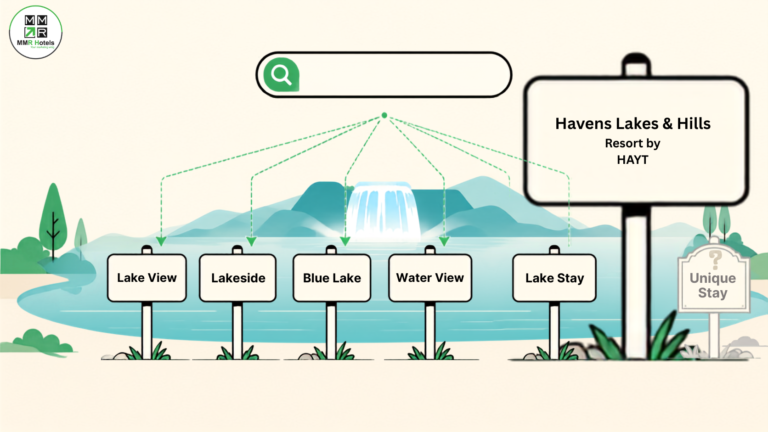
Rank is revenue. Position on MakeMyTrip's search page is driven by conversion, content, reviews, and programme participation, all workable, none automatic. Listing work is the part of revenue management that looks like marketing and pays like pricing.
The forecasting layer underneath both
Daily pricing decisions are only as good as the demand picture behind them. An RMC maintains a forward view, pickup curves, event calendars, festival-season shapes that differ wildly between a Jaipur heritage property and a Pune business hotel, so rate moves happen three weeks before compression, not three days into it. From what we have seen, the forecast does not need to be perfect. It needs to exist and be looked at every morning.
A 58-room business hotel running flat seasonal rates, 61 percent occupancy, heavy dependence on one OTA at high commission.
Daily dynamic pricing, rebuilt listings on three OTAs, parity cleanup, corporate direct rates reintroduced.
RevPAR up roughly 19 percent inside two quarters, occupancy and ADR both contributing. Illustrative numbers reflecting a typical engagement shape; individual results vary with market and product.
What an RMC cannot do
Pricing cannot fix a 3.6 review score, dead photos, or an AC that fails every May. When the product has a real problem, an honest RMC says so early, because every rate strategy built on top of it underperforms until it is fixed. The properties that get the full lift are the ones where operations and revenue work move together.
The timeline, honestly
Parity fixes and pricing discipline show up in weeks. Rank and review improvements take a quarter or two to compound. Most engagements we run see the RevPAR gap against the property's own last-year baseline open meaningfully between month two and month six. Anyone promising 30 percent in thirty days is selling something other than revenue management.
- 1Baseline your RevPAR honestlyTwelve months of it, against your real comp set, before judging any strategy.
- 2Find the bigger leak firstPricing or distribution; they need different fixes.
- 3Book the revenue auditMMR maps your pricing, channel costs, and rank position, and shows where the RevPAR headroom actually is.